Home Health Care Business Plan Template

A home care business plan template is more than a simple business document. It helps business owners organize their ideas, plan their services, manage costs, and prepare the business for future growth.

In the home care industry, careful planning is very important. Small mistakes in caregiver costs, staff hiring, pricing, or legal requirements can quickly create financial problems. Investors and lenders want to see a clear and realistic plan before supporting the business.

What You Get

Executive summary

Executive summary

Market analysis

Market analysis

Revenue model

Revenue model

Cost Structure

Cost Structure

Financial projections

Financial projections

Funding strategy

Funding strategy

Risk analysis

Risk analysis

Production planning

Production planning

What Makes a Strong
Home Health Care Business Plan

A strong home care business plan should clearly explain how the business will provide care services, manage caregivers, earn money, and grow successfully over time. Investors want to understand how the business will operate in real life, not just read emotional or inspiring statements.

A good home health care business plan template explains the difference between medical and non-medical care services, how caregivers will be managed, and how the business will maintain service quality for clients. Many home care business plan examples explain customer demand well but fail to clearly explain scheduling, caregiver management, referral systems, and employee retention.

There are several signs of a strong business plan. The plan should clearly explain who the target clients are, why families and healthcare partners would choose the service, and how the business plans to earn income. In the PDF example, the business earns money from in-home care services, telehealth monitoring, subscriptions, and other related services instead of depending on only one income source.

The plan also explains business growth through partnerships, digital care coordination, and reducing hospital readmissions instead of using unclear growth promises.

There are also common problems in weak business plans. Some plans include general market information but do not explain how the business will receive clients, manage caregiver costs, or maintain service quality. Others fail to explain supervision, staffing, or healthcare management processes.

A strong sample business plan for non medical home care agency should clearly show how the business will operate successfully, manage caregivers, and provide reliable care services over time.
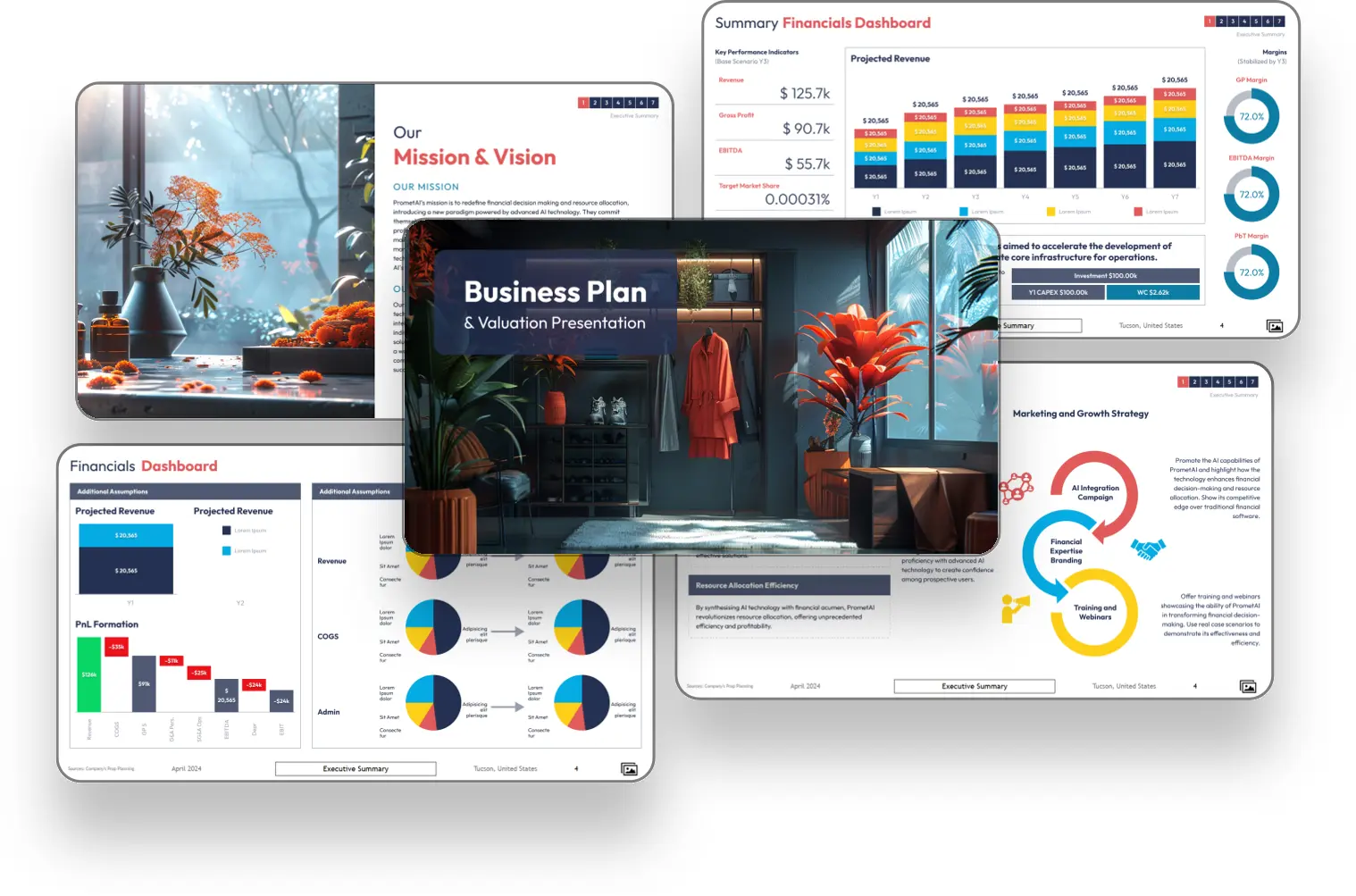
Home Care Business Plan Template

Financial Considerations for
Home Health Care Business Plans

Managing money in a home care business can be more difficult than many beginners expect. Even though the business may not need a physical clinic or large office, there are still many important expenses such as employee salaries, technology systems, legal requirements, training, and daily operations.

A strong financial plan should clearly explain how the business will manage staff, provide care services, and stay profitable over time. Many home health business plan examples look positive on paper but do not realistically explain business costs and cash flow.

Caregiver labor economics

Caregiver labor economics

Employee costs are usually the biggest expense in a home care business. Business owners need to plan for caregiver salaries, overtime payments, travel costs, supervision, and staff scheduling. If these costs are not planned properly, profits can quickly decrease.

CapEx and setup costs

CapEx and setup costs

Starting a home care business may also require upfront investment in technology systems, monitoring tools, employee training, office setup, and secure systems for patient information. In the PDF, first-year setup costs are an important part of the budget.

Working capital pressure

Working capital pressure

Many home care businesses face cash flow problems in the beginning. Payments from clients, insurance companies, or healthcare partners may take time to arrive, while employee salaries and daily expenses still need to be paid on time. A strong free home health care business plan template should clearly explain how the business will manage cash during the early stages.

Reimbursement and payer mix

Reimbursement and payer mix

Home care businesses may receive payments from private clients, insurance companies, healthcare programs, or referral partners. A good financial plan should explain where the income will come from because profits can change depending on the type of payment source.

Compliance and quality overhead

Compliance and quality overhead

Home care businesses must also spend money on licenses, employee training, background checks, privacy protection, quality control, audits, and proper documentation. These are important parts of running a safe and professional home care business.

Common Mistakes in
Home Health Care Business Plans

01

Treating demand as revenue

Many people think a home care business will easily make money because many people need care services. But this is not always true. The business still needs good caregivers, happy clients, and trusted service to earn steady income.

02

Ignoring margin erosion during scale

As the business grows, costs also grow. More clients can mean more workers, more training, more scheduling, and more office work. If these extra costs are ignored, the business may make less profit than expected.

03

Using weak cash flow assumptions

Some businesses do not plan properly for everyday expenses. Even if money from clients arrives late, the business still needs to pay workers, bills, and other costs on time. Without enough extra cash, the business can face financial problems.

04

Blurring medical and non-medical delivery

Medical care and non-medical care are different services. They follow different rules and need different types of workers. A home care business should clearly explain which services it offers to avoid confusion and legal problems.

05

Underwriting growth without operational proof

Some businesses try to grow too quickly before they are fully ready. Before expanding, the company should first show that it can provide good care, manage workers properly, and keep clients satisfied.

Why Use PrometAI for Your
Home Health Care Business Plan

PrometAI helps business owners create more realistic and organized home care business plans. Instead of only creating attractive business documents, it helps users better understand how the business may perform in real situations.

In a home care business, small changes in caregiver costs, client numbers, employee schedules, or payments can strongly affect profits. PrometAI helps users test these situations before problems happen in real life. For example, business owners can see what may happen if expenses increase, customer growth becomes slower, or business income changes. This helps create stronger financial plans and better business decisions.

PrometAI is especially useful for anyone creating a home health care business plan example because it helps turn ideas into a more realistic and professional business plan. It also helps business owners identify weak areas, improve financial planning, and prepare for possible business risks before speaking with investors or lenders.

Why Use PrometAI for Your

Example Structure For Home Health Care Business Plan

Home healthcare businesses help people receive medical and daily care in the comfort of their own homes. A strong business plan should clearly show how the company plans to provide safe care, support patients, and grow its services over time. 

Sections

1. Executive Overview

2. Company Overview

3. Market Opportunity

4. Growth Strategy

5. Competitive Analysis

6. Operations

7. Financial Overview

8. Risk Management

9. Scenario Analysis

Read More

FAQs