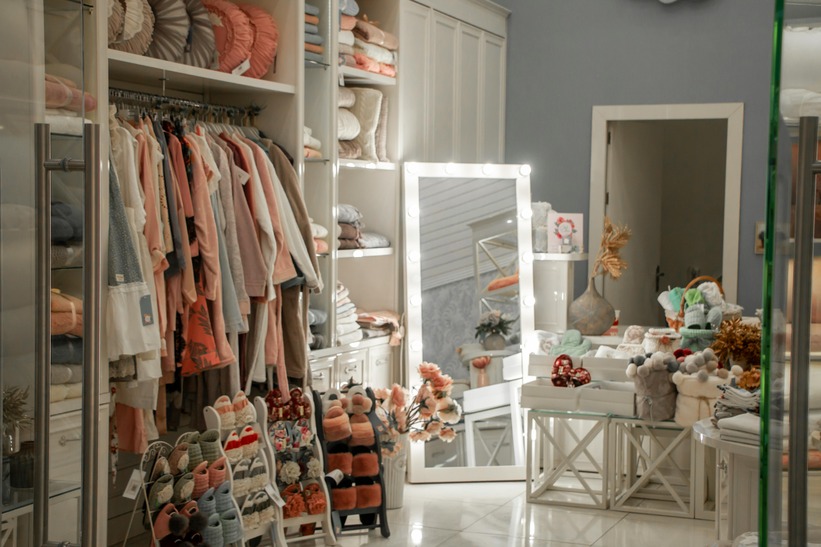
Curated shelves. Distinctive pieces. A store where every item feels carefully chosen rather than randomly stocked. Learning how to start a boutique begins with a clear idea of the experience you want customers to have the moment they walk through the door.
Overview
💰 Startup Economics
- Startup Cost
$15,000 – $45,000
- Gross Profit Margins
50–60%
- Break-even Point
8–14 months
- Funding Options
Personal savings, microloans, equipment financing, crowdfunding, angel investors
📅 Timeline Overview
🏷️ Phase / 📍Months
1-2
2-3
4-5
6-12
🧠 Concept & Planning
🛠️ Build & Prepare
🛍️ Setup & Promotion
🚀 Launch & Iterate
🌐 Industry Snapshot
- Market Size

- ~$22 billion in the U.S. (2025 est.)+4.8%
- Growth Trend
- CAGR 5–6% through 2031

🔥 Hot Segments
Sustainable and eco-friendly goods
Handcrafted artisanal jewelry
Small-batch apothecary and skincare
Curated home decor
Limited-edition apparel
Creative vision alone cannot sustain a boutique. Successful owners pair aesthetics with strong planning. Understanding startup costs, expected margins, funding possibilities, launch timelines, and market direction makes opening a boutique far easier to navigate.
The snapshots below highlight the key numbers and industry signals shaping boutique businesses today.
A boutique creates something special in retail. Customers arrive searching for pieces that feel personal, thoughtful, and distinctive. Every product, display, and detail contributes to the story the store presents.
Entrepreneurs who understand their audience and curate with intention build boutiques that customers return to again and again. The next sections explore the steps that turn a retail idea into a boutique people love to visit.
What Is a Boutique Business and Is It Worth Starting?
A boutique business is a small retail store that sells carefully curated products for a specific audience. Anyone exploring what boutique business is will notice one defining feature. Selection is intentional. Products, branding, and store atmosphere all reflect a clear style and purpose.

Unlike large retailers that focus on volume, boutiques focus on uniqueness. Many operate as charming local storefronts, while others grow as niche online brands with loyal followings.
Entrepreneurs often choose the boutique business model for its balance of creativity and profit potential.
Why Start a Boutique?
Set your own style. Choose the products, aesthetic, and story behind the brand.
Build real customer relationships. Boutique shoppers often become loyal supporters.
Price for value. Curated and limited products support premium pricing.
Move with trends quickly. Small inventory and niche focus allow fast adaptation.
Expand beyond the store. Online shops, pop-ups, and social media open new sales channels.
This appeal shows clearly in the market itself. The U.S. boutique and specialized retail industry is valued at about $22 billion in 2025, reflecting 4.8% growth compared to 2024.
Demand remains strong for distinctive, non-mass-produced goods. Boutiques with a clear identity often reach gross profit margins between 60% and 80%, especially when supported by strong storytelling and social media presence.
Shape and Refine Your Boutique Ideas for Business
Thinking about your future boutique? Start with the idea behind it. The most memorable stores begin with a concept that feels clear, distinctive, and personal. Entrepreneurs exploring boutique business ideas often discover that the right direction appears once they start asking the right questions.
Pause before choosing products or signing a lease. Take a moment to shape the identity of your small business boutique.
Ask yourself:
What kind of experience should customers have when they walk in?
Which lifestyle niches in my area still feel underserved?
What aesthetic, atmosphere, or service style will make my boutique recognizable?
Which values or signature products will define the brand?
Clear answers often unlock the most promising boutique ideas for business.
If the direction still feels uncertain, structured brainstorming can help. The frameworks below offer simple ways to challenge familiar ideas and discover new boutique concepts.
Once you’ve explored your angles, pick one idea you’re most drawn to—it doesn’t have to be perfect, just clear enough to build on. In the next section, we’ll help you see if this business fits your skills, lifestyle, and goals.
By the way, once you’ve defined your vision, you can also generate a professional financial advisor company name using our . It’s a quick way to get inspired and see what fits your brand.
Once a few ideas begin to stand out, choose the concept that feels both exciting and realistic. Luxury fashion, sustainable lifestyle goods, curated gifts, or local artisan collections can all become successful boutiques when the vision feels clear.
Next, it’s time to look at something just as important. Does running a boutique business truly match your strengths and the lifestyle you want to build?
Is Starting a Boutique Business Right for You?
Running a boutique can be exciting. Building a brand, choosing beautiful products, and creating a memorable shopping experience attracts many entrepreneurs interested in starting a boutique business.
At the same time, boutiques require consistency, organization, and the ability to manage daily retail challenges. The same applies to starting an online boutique business. Digital stores offer flexibility, yet product selection, marketing, and customer relationships still demand attention.
Before moving forward, take a quick self-check. See how many of these statements sound like you.
Checklist Item
I have a keen eye for trends and a strong sense of personal aesthetic.
I enjoy interacting with people and providing high-touch customer service.
I am comfortable managing inventory and analyzing sales data.
I like the challenge of visual merchandising and storytelling.
I can adapt my product selection based on customer feedback and seasons.
I am motivated by a mix of creative work and operational management.
🔁 Boxes checked: 0 out of 6
Ready to find out if this business suits you? Start checking the boxes above. We'll show you insights as soon as you interact with the checklist.
You're on the edge. There is interest and some readiness. Think about where additional tools, skills, or support could help.
Being honest now makes the journey easier later. If the idea still feels exciting, the next step becomes clear. Decide what you will sell and who your boutique is meant to serve.
What to Sell: Products, Services, and Boutique Business Models2
Every retail boutique starts with one simple question. What will people come here to discover?
Your products shape the personality of the store. They also guide your online boutique business plan and determine how customers experience your business boutique.

🎯 Your Audience
Picture your ideal customer.
Fashion enthusiasts searching for distinctive clothing
Home decorators looking for artisanal pieces
Gift seekers who love curated gift sets
Eco-conscious shoppers focused on sustainable products
When you know your audience, choosing products becomes easier.
🛍 What You Might Sell
Boutiques often build their offer in layers.
Core Products
Curated apparel collections
Handcrafted home décor
Artisanal jewelry or skincare
Signature Experiences
Personal styling sessions
Collaborations with local makers
Limited-edition collections
Add-ons and Extras
Gift wrapping and personalization
Alterations or tailoring
Subscription style boxes
Private shopping events
Small additions like these increase revenue and make the boutique experience memorable.
🔁 How You’ll Deliver
Next question. How will customers shop your boutique?
Brick-and-Mortar - A physical store built around atmosphere and in-person experience.
E-commerce First - An online boutique focused on reach and social commerce.
Hybrid Model - A boutique showroom paired with a strong digital store.
Convenience tools can also strengthen the experience:
synced online inventory
digital loyalty programs
mobile checkout
social media shopping
🧩 Summary
Clarity makes a boutique memorable. Customers should quickly understand who the store is for and what makes it special. A helpful exercise:
“We serve [who] with [what], because they value [why].”
Examples:
We serve professional women with curated wardrobes because they value effortless style.
We serve new homeowners with artisanal décor because they value unique spaces.
We serve eco-conscious shoppers with sustainable basics because they value thoughtful design.
Once this idea feels clear, the direction of your boutique becomes much easier to shape.
Pros and Cons of Starting a Boutique Business
Looking at both the advantages and the challenges helps you understand what running a boutique may actually involve.
Pros
Creative freedom to choose products and shape your brand
Opportunity to build a loyal community of customers
Unique products allow premium pricing
Flexibility to follow trends quickly
Satisfaction from supporting emerging designers
Cons
Inventory needs constant attention
Weekends and holidays are often busy workdays
Marketing and social media require regular effort
Store setup and rent can be expensive at the start
Competition from large online retailers is strong
Because of these challenges, some entrepreneurs also turn to experts in boutique business consulting or professions with experienced boutique business consulting firms when planning their launch.
Still feeling excited? That’s a great sign. Now let’s look at the numbers and see what starting a boutique may actually cost.
Cost to Start a Boutique: Startup Expenses and Revenue Potential
Curious about the cost to start a boutique? The good news is that opening a boutique usually requires less capital than many other retail businesses. Still, every startup boutique needs a clear budget before the doors open.
🧾 Startup Costs
Most boutiques start with an investment between $15,000 and $45,000.
Small online boutiques or pop-up models may begin around $5,000–$10,000
Hybrid boutiques often fall somewhere in the middle
Full storefront boutiques with prime locations and larger inventory usually reach the higher end
Your concept, location, and inventory size will shape the final number.
📊 Cost Breakdown
Category | Range | Notes |
Retail Space Lease/Deposit | $3,000 – $8,000 | First month’s rent and security deposit for a high-traffic location. |
Interior Fixtures and Decor | $2,000 – $7,000 | Shelving, hangers, mannequins, and lighting to create brand atmosphere. |
Initial Product Inventory | $5,000 – $15,000 | Initial stock of curated goods, accessories, and branded packaging. |
Licensing, Permits, and Insurance | $1,000 – $2,500 | Business registration, local trade permits, and liability insurance coverage. |
Marketing and Website Design | $2,000 – $6,000 | E-commerce site setup, brand identity, and social media launch ads. |
POS System and Hardware | $1,000 – $3,000 | Registers, barcode scanners, and inventory management software. |
Working Capital Reserve | $3,000 – $10,000 | Cash buffer for operating costs during the first few months. |
📈 Revenue & Margins
Boutiques can become profitable when the concept and inventory connect with customers.
First-year revenue: often $150,000 – $400,000+
Gross margins: usually 50–60%
Break-even point: commonly 8–14 months
Strong branding and repeat customers make a big difference.
🔁 Ways to Improve Profit
Offer paid personal styling sessions
Create loyalty programs for repeat shoppers
Host events or workshops to attract visitors
Partner with local influencers
Use email marketing and social media ads
Offer pre-orders for upcoming collections
🧩 Summary
Numbers matter. Knowing the cost to start a boutique, your expected margins, and revenue potential makes opening a boutique far less risky.
When planning is clear and the concept feels strong, a startup boutique can grow into a profitable and memorable brand.
How to Open a Boutique Business: A Step-by-Step Launch Guide
Opening a boutique becomes much easier when the process is broken into clear steps. Instead of trying to figure everything out at once, focus on one stage at a time and build your store gradually.
1. Validate your idea
Before anything else, make sure people actually want what you plan to sell. Study competitors, explore local demand, and speak with potential customers. A few honest conversations can reveal more than weeks of guessing.
2. Define your brand and customer
Next, get very clear about your boutique identity. Who are you serving? What feeling should people experience when they discover your store? Strong boutiques always start with a clear point of view.
3. Build your business plan
Now organize the numbers and the strategy. Your pricing, startup costs, revenue expectations, and marketing approach should all live inside your boutique business plan. Many founders begin with a boutique business plan template to structure this step quickly.
4. Handle the legal setup
Once the concept feels solid, make the business official. Register your company, secure the required permits, and set up insurance so your boutique operates with confidence.
5. Design your products and space
Now comes the creative part. Choose your first product line and design the environment where customers will experience your brand. Whether it’s a physical boutique or an online store, the atmosphere should reflect your style.
6. Set up operations
Behind every beautiful boutique is a reliable system. Payments, inventory tracking, suppliers, and delivery processes should all run smoothly before the first sale happens.
7. Launch and promote
Opening day is your moment to create excitement. Social media previews, collaborations, and local partnerships can turn your launch into an event people want to attend.
8. Measure and refine
Once the boutique is open, pay attention to the numbers. Sales trends, product performance, and customer feedback will guide your next decisions.
At this point, many entrepreneurs realize how helpful it is to have everything organized in one place. A Business Plan Generator can help you create your own boutique business plan quickly and customize it to your idea in just a few minutes.
FAQs
Related articles
)
How to Start a Jewelry Business
)
SBA Loan Denied? What To Do Next and How to Appeal It
)
SBA Loan Business Plan Guide: What Lenders Actually Want
)
Business Intelligence Tools: How to Choose the Right Platform
)
I Want to Start a Business But Have No Ideas: 3 Ways to Find One
)
Lean Business Plan Guide: The Monthly Review Cycle Explained
)
How to Start a Dental Practice
)
Can ChatGPT or Claude Write a Business Plan? Honest 2026 Test
)
Grammarly Business Plan Generator: What It Really Makes (2026)
)