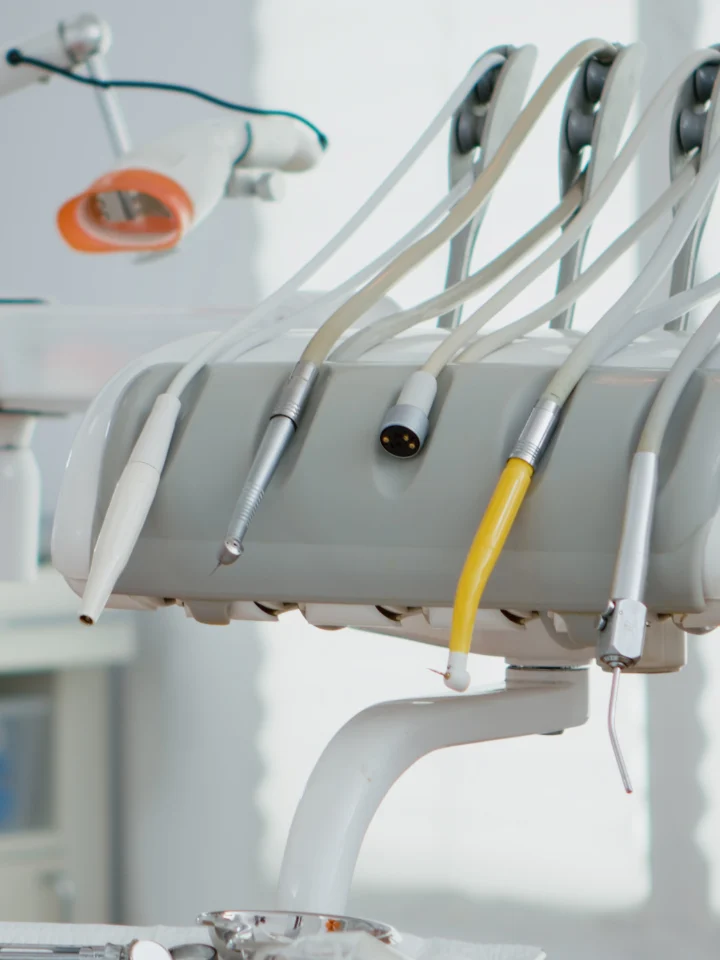
Dental Business Plan Template

A dental business plan template is more than a simple business document. It helps show whether the dental clinic can successfully earn money, manage expenses, and grow over time. A strong business plan explains how the clinic will manage dentists, employees, equipment, patient appointments, and daily operations while keeping the business profitable.

In the dental industry, even small planning mistakes can create serious financial problems. If the business plan underestimates equipment costs, patient care expenses, or the number of returning patients, investors and lenders may lose confidence in the business.

What You Get

Executive summary

Executive summary

Market analysis

Market analysis

Revenue model

Revenue model

Cost Structure

Cost Structure

Financial projections

Financial projections

Funding strategy

Funding strategy

Risk analysis

Risk analysis

Production planning

Production planning

What Makes a Strong
Dental Business Plan

A strong dental business plan should clearly explain how the clinic will attract patients, provide dental services, and earn steady income over time. Investors want to see realistic planning, not only high income estimates or attractive branding.

A good dental office business plan template explains the different services the clinic will offer, such as regular checkups, teeth cleaning, cosmetic treatments, and restorative dental care. It should also explain how the clinic plans to attract new patients, keep existing patients returning, and manage appointment schedules properly.

A professional dental clinic business plan sample should also show how many patients the clinic can handle each day based on the number of dental chairs, dentists, and working hours. It should explain how the clinic plans to build trust with patients and maintain long-term customer relationships.

There are also common problems in weak business plans. Some dental business plan example documents expect very high income without properly planning staff schedules, treatment times, patient flow, or daily operations. Others focus too much on cosmetic treatments without proving there is enough local demand.

Strong business plans also explain how the clinic will continue earning stable income from regular checkups, cleanings, and repeat patient visits. These regular services are very important because they help the business stay stable even during slower periods. 

The best business plans clearly explain why patients would choose the clinic, how the business will stay profitable, and how it plans to handle rising costs or changes in patient demand.

Dental Business Plan Template

Financial Considerations for
Dental Business Plans

Opening a dental clinic can be expensive. Many new clinic owners are surprised by how much money is needed before the business starts earning steady income. A strong dental business plan should clearly explain startup costs, daily expenses, patient income, and how the clinic plans to stay financially stable during the early stages.

CapEx Load

CapEx Load

Dental clinics usually require a large investment in the beginning. Costs may include dental chairs, treatment rooms, X-ray machines, cleaning equipment, computers, and clinic renovation. Investors and lenders want to see which equipment is necessary at the start and which items can be added later.

Regulatory and Compliance Costs

Regulatory and Compliance Costs

Dental clinics must follow important legal and safety rules. These may include licenses, patient privacy protection, medical record systems, advertising rules, and treatment safety procedures. These costs are an important part of running a dental clinic and should always be included in the business plan.

Treatment Mix and Profit

Treatment Mix and Profit

Regular checkups and teeth cleanings help keep patients returning to the clinic. More advanced treatments may help increase profits. A strong business plan should explain how the clinic plans to balance regular dental care with higher-paying services without depending too heavily on cosmetic treatments.

Working Capital Buffer

Working Capital Buffer

New dental clinics often need extra money during the first months of operation. The business still needs to pay employee salaries, buy supplies, manage inventory, and pay for marketing before patient bookings become stable. A strong business plan should explain how the clinic will manage cash during this period.

How Each Dental Chair Makes Money

How Each Dental Chair Makes Money

A good business plan should explain how the clinic will earn money from each dental chair and dentist. This includes the number of patients, treatment types, appointment times, and working hours. Without this information, income estimates may not look realistic.

Common Mistakes in
Dental Business Plans

01

Overstated Ramp

Some dental clinics expect to become fully booked very quickly after opening. In reality, building patient trust, getting referrals, and growing regular appointments usually takes time. Unrealistic patient growth estimates can make the business plan look weak.

05

Compliance as an Afterthought

Some business plans barely mention important legal and safety rules. Areas such as patient privacy, advertising rules, dental licenses, and treatment standards are very important in the dental industry. Ignoring these areas can make the business look unprepared and unprofessional.

04

Shallow Scaling Story

Opening a second clinic does not automatically mean the business is ready to grow successfully. Investors want to see proof that the clinic can maintain good service, organized systems, trained employees, and a strong patient experience in every location.

03

Margin Blindness

Some business owners focus only on increasing revenue and forget about rising expenses. Employee salaries, dental materials, lab fees, and discounts can slowly reduce profits if they are not planned carefully.

02

Weak Cash Flow Logic

A clinic may look profitable on paper but still face money problems in daily operations. The business still needs enough cash to pay employee salaries, rent, equipment costs, supplies, and other bills on time while waiting for patient payments.

Why Use PrometAI for Your
Dental Business Plan

PrometAI helps dental clinic owners create more realistic and organized business plans. Instead of only making the business plan look professional, it helps users better understand how the clinic may perform in real business situations.

The platform helps business owners plan income, expenses, startup costs, and future growth in a clearer way. This is very important in the dental industry because success depends heavily on good planning, patient management, and financial control.

PrometAI is also useful for testing different business situations before opening the clinic. For example, users can see what may happen if patient growth becomes slower, expenses increase, or business costs become higher than expected. The platform uses financial testing and business planning tools to help identify weak areas early. This helps business owners improve their plans before presenting them to investors or lenders.

Why Use PrometAI for Your

Example Structure For Dental Business Plan

A dental business plan shows how a clinic will turn patient care into a stable and well-organized business. It explains how services, operations, and growth plans work together in real life. 

Sections

1. Executive Overview

9. Scenario Analysis

8. Risk Management

7. Financial Overview

6. Operations

5. Competitive Analysis

4. Growth Strategy

3. Market Opportunity

2. Company Overview

Read More

FAQs