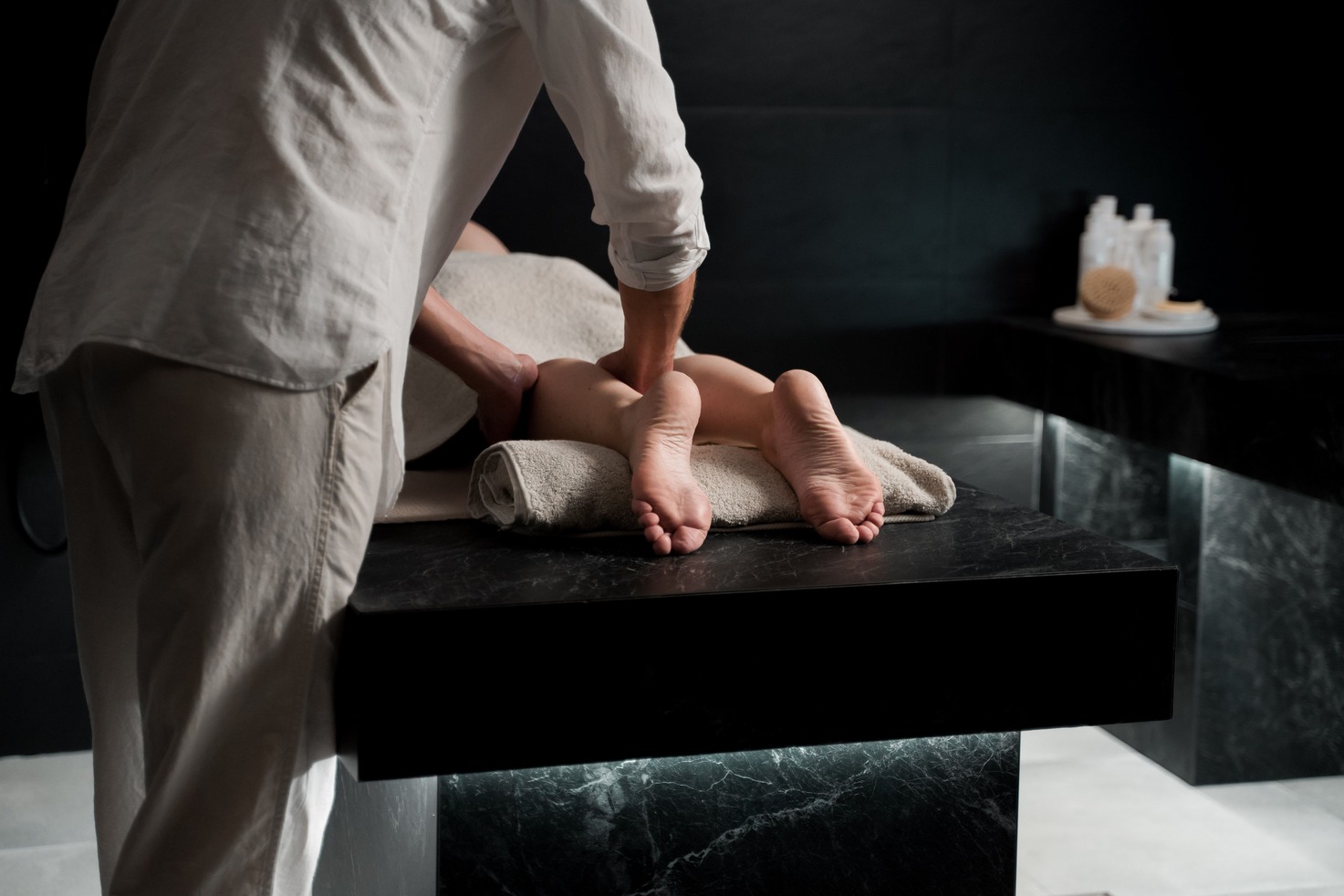
Once you've thought through your options, choose the idea that actually fits your space and your budget, not just the one that looks nicest in photos. A small two-room studio that's fully booked will do better than a beautiful six-room spa that's only busy on Saturdays.
Next up: let's find out whether running a spa really fits your strengths, and the kind of life you want to build for yourself.
Is Starting a Spa Right for You? Skills, Staffing, and Spa Business Insurance
A spa can give you a peaceful place to work, guests who return again and again, and a business that rides the growth of the wellness industry. But none of that comes free. You'll need licensed therapists, a serious amount of money upfront for buildout, and the patience to pay for rooms that sit empty just as often as they're full. Before committing to any of it, take a step back and ask whether this business actually suits how you like to work and live.
Here's a simple way to check. If most of these feel true for you, this path is probably a good fit:
If you're somewhere in the middle, that's a sign there's real interest and some readiness, but it also means it's worth thinking about where you'll need extra help or support. Getting proper spa business insurance in place early on is one of those areas worth planning for from the start, since it protects you from the risks that come with a licensed, hands-on business like this.
Being honest with yourself now can help you avoid bigger problems later. If all of this still feels exciting, it's time to figure out exactly what you'll offer, and who you're building it for.
Define Your Spa Services Offered
Before you print a single menu, answer one question honestly: who do you want walking through that door every month for the next five years? Not who might visit once. Who keeps coming back. Everything else, your pricing, your layout, even how many towels you stock, follows from that one answer.
🎯 Your Audience
Most spas end up serving some mix of these four:
Monthly Members show up on a rhythm, every four to six weeks, and they've usually bonded with one specific therapist. Switch that person and you risk losing them.
Stress and Recovery Seekers aren't here to unwind. They're here because something hurts, a bad back, tight shoulders, and they want deep tissue or sports massage that actually fixes it.
Skin Health Regulars treat facials like a subscription. Between visits, they're buying the products you sell them to keep results going.
Gift and Occasion Buyers rarely book for themselves. Birthdays, anniversaries, corporate perks, they fill your slow weekends and hand you a first-time guest you didn't have to find yourself.
🛍 What You Might Sell
Build your menu like a pyramid: essentials at the base, profit sitting near the top.
Core Products
Swedish, deep tissue, and hot stone massage
Classic and results-driven facials
Body scrubs and wraps
Signature Elements
One named, two-hour ritual nobody else in town offers
A thermal circuit with sauna and steam
The same therapist, every time, no exceptions
Add-ons & Upsells
Aromatherapy, scalp, and foot add-ons
Longer sessions and couples' rooms
Peels and targeted skin boosters
Ancillary Opportunities
Retail skincare and take-home regimens
Gift cards and corporate vouchers
Renting out an idle room to a practitioner on your dead days
Here's the part most first-time owners underestimate: memberships, prepaid packages, and standing appointments aren't just nice extras. They're what keeps the lights on during the Tuesday-at-2pm slot nobody walks in for. A room-based business doesn't survive on Saturdays alone.
🔁 How You'll Deliver
Selling the right treatments only gets you halfway. The other half is deciding how your spa actually runs, day in and day out.
Owner-Therapist Model: You're the one doing the treatments, and the whole business revolves around your schedule
Employed Team Model: Your therapists work set shifts, whether salaried or on commission, while you focus on running the business
Room-Rental Model: Independent therapists rent space from you by the day, so you earn steady income without the responsibility of payroll
This is where the right spa business management software quietly does a lot of heavy lifting, handling things like:
Online bookings with deposits and cards saved on file
Automatic reminders that nudge guests to rebook
Notes on each guest's preferences, pressure, and allergies
Retail purchases tied directly back to each treatment
🧩 Summary
If you can clearly define who your guests are, how often they should return, and why your rooms are worth the trip, you’re already on the path to building a strong and trusted brand.
Try shaping your offer into a simple positioning statement: “We serve [who] with [what], because they value [why].”
Examples:
We serve monthly members with same-therapist massage, because they value consistency and routine.
We serve stress and recovery seekers with focused deep tissue work, because they value relief that lasts.
We serve skin health regulars with results-driven facials, because they value visible progress.
Once you write your own sentence, things start to click. Your branding gets clearer, your treatment menu makes more sense, and every guest who walks in feels like the place was made just for them.
Pros and Cons of Starting a Spa Business
Before diving into everything you'll need to buy, build, and staff, it helps to step back and honestly weigh what makes starting a spa business worth it, and what makes it hard. Here's a clear look at both sides.
Pros
People keep wanting wellness treatments, even when times are tough
Memberships turn irregular bookings into monthly revenue
Treatments earn good profit, since they don't need many expensive supplies
Skincare products naturally sell well right after a facial
Renting rooms out to other practitioners can help cover basic costs without hiring more staff
Cons
Setting up the space and any water features, like saunas or pools, costs a lot of money before you even open
Since treatments take a long time, each room can only be used a few times a day
It's hard to find licensed therapists, and if they leave, they might take their regular guests with them
Weekdays can be hard to fill up without a strong group of members who keep coming back
It usually takes a year or more before the business starts making a real profit
Still feel excited about starting a spa business? Then it's time to look at exactly what it costs to get going, and what you might actually earn.
How Much Does It Cost to Open a Spa Business? Revenue and Profit Margins
Opening a spa costs a lot more than opening a salon or barber shop. That's because the rooms, plumbing, and calming atmosphere all need to be ready before a single guest ever walks in.
Here's a simple breakdown of what it usually costs to start, and what a spa can realistically earn.
🧾 Startup Costs
Costs change a lot depending on the size of the space and whether you add wet areas like saunas or steam rooms. A four to six room day spa usually costs between $150,000 and $400,000 total to get started. A smaller two-room studio, in a cheaper space, can open for as little as $60,000 to $120,000.
The two biggest costs are usually the buildout itself, since that takes up the largest part of the budget, and any sauna, steam, or soaking area, which needs extra plumbing and drainage that a regular retail space wouldn't need.
📊 Cost Breakdown
The numbers below are for a typical four-room day spa in a modest space, without a full sauna and steam setup. Adding those features raises the renovation costs quite a bit.
Category | Range | Notes |
Lease Deposit & First Months | $10,000 – $24,000 | Security deposit plus initial rent |
Renovation & Build-out | $40,000 – $120,000 | Room partitions, plumbing, ventilation, lighting, soundproofing |
Treatment Room Equipment | $12,000 – $30,000 | Tables, warmers, steamers, trolleys, and linens for four rooms |
Wet Area Installation | $0 – $60,000 | Sauna, steam room, or soaking tub where the concept requires it |
Reception, Retail & Software | $8,000 – $18,000 | Front desk, display, booking system, and payment hardware |
Initial Product Inventory | $6,000 – $14,000 | Professional back-bar plus retail skincare stock |
Licenses, Permits & Insurance | $2,000 – $5,000 | Establishment permits, therapist licensing, and liability cover |
Working Capital & Launch Marketing | $25,000 – $60,000 | Six months of costs plus opening promotion |
📈 Revenue & Margins
Annual revenue: In 2025, guests spent an average of $123 per spa visit. A four-room spa running five treatments a day, six days a week, can bring in about 6,000 visits a year once it's fully up and running. Most spas only reach about half that number in their first year.
Profit margins: Treatments usually earn 70 to 85% gross profit before paying therapists, since the products used per treatment don't cost much. After paying rent, wages, and utilities, net profit usually lands between 10 and 20%.
Break-even point: A spa breaks even once its bookings cover fixed monthly costs. That's usually $12,000 to $30,000 a month for a four-room location. At an average price around $123 per visit, that means about 100 to 250 treatments a month. Most spas reach that number within 12 to 24 months as their membership base grows.
🔁 Ways to Improve Profit
Start selling memberships from day one. They help fill weekdays and keep cash flow steady.
Rebook every guest before they leave, right at the front desk.
Pair retail skincare with facials, where profit margins are strongest.
Charge more during busy weekend hours than during quiet weekday slots.
Offer shorter, express treatments to fill gaps between longer bookings.
Rent out empty rooms to independent practitioners on slow days.
🧩 Summary
Know your startup costs, your earning potential, and your profit goals before you begin. What keeps guests coming back is simple: a therapist who remembers them, a room that feels genuinely calming, and a reason to book their next visit before they walk out.
Get that right, and your spa stays busy even during the slow hours.
Step-by-Step Guide on How to Start a Spa Business
Here's a practical roadmap you can follow to figure out how to start a spa business:
Confirm licensing and build experience. Check your state's requirements for massage and esthetics licensing, then get some real experience working in an established spa to learn how treatments flow and how to take care of guests.
Choose your concept and location. Decide whether your spa will focus on relaxation, visible results, or hot and cold water treatments, then find a space with the right plumbing and layout to match that choice.
Build your business plan. Use the PrometAI Business Plan Generator to organize your ideas and get your numbers in order.
Secure funding and sign the lease. Line up your savings or an SBA loan, negotiate a buildout allowance with your landlord, and make sure the rent makes sense for the number of rooms you'll have.
Build out and equip the space. Finish the walls, plumbing, and ventilation, then bring in tables, any wet areas, retail displays, and booking software.
Recruit your therapists. Hire licensed massage therapists and estheticians, or work with independent practitioners who rent rooms and bring their own guests with them.
Launch memberships and start promoting. Open with a special founding membership offer, build local partnerships, and offer gift vouchers to bring in new guests.
Track your numbers every month. Watch how full your rooms stay, how many members you have, and how much retail you're selling. Adjust your services, take care of your therapists, and only add more rooms or a second location once weekday demand is consistently strong.
Following these steps takes time, but you don't have to map it all out alone.
Want a shortcut? Try the Business Plan Generator and build your own spa business plan in just minutes.