Every bed and breakfast case study here reveals a unique lesson. From soaring occupancy rates to burnout and failed bookings, these real stories offer practical insights for B&B owners aiming for stability and success.
5 Bed and Breakfast Case Study Wins & Fails
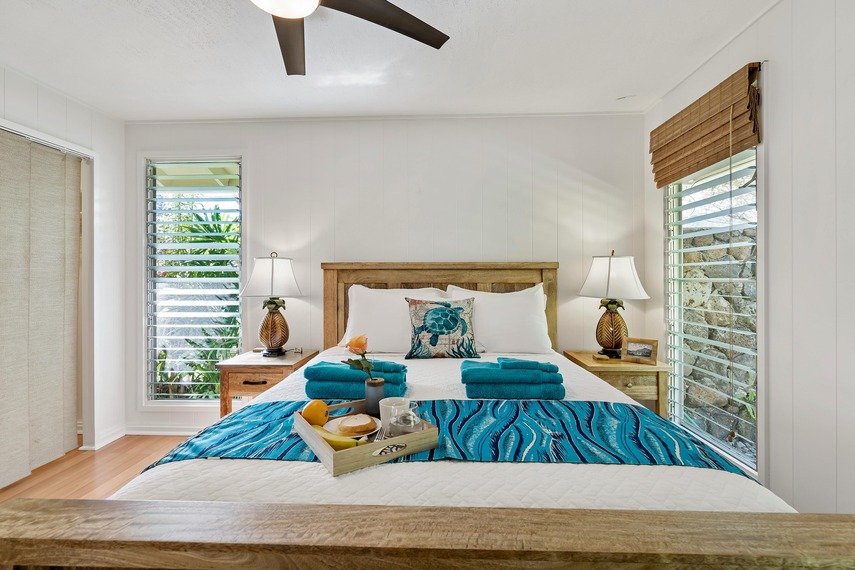
Case 1
Case Study 1: How WillowHouse B&B Reached 72% Occupancy in Its First Year
About the Business
Name: WillowHouse B&B
Location: Vermont, USA
Type: Countryside Bed and Breakfast
Founded: 2021
Tucked into the Vermont countryside, WillowHouse B&B runs from a renovated farmhouse designed to feel calm, warm, and personal. Founded in 2021, the B&B focuses on couples and weekend travelers who want to slow down, disconnect, and enjoy nature without crowds.
The experience centers on quiet surroundings, thoughtful details, and hosting that feels genuinely human rather than transactional.
WillowHouse started from zero. There was no brand name, no guest reviews, and no booking history to build trust.
Demand was uneven. Weekends attracted couples, but midweek bookings stayed low. Early on, the business depended heavily on booking platforms just to stay visible and attract its first guests.
WillowHouse leaned into what mattered most early on. The guest experience.
The property embraced a modern farmhouse feel that matched its countryside setting and spoke directly to couples looking for relaxed weekend travel escapes. Every detail focused on making first stays memorable and review-worthy.
Weekend retreat packages added extra appeal. Fireplace dinners, curated hiking maps, and late checkouts turned short visits into full experiences. Professional photography and clear room descriptions helped listings stand out, while small loyalty perks encouraged guests to book directly for their next stay.
The Results (After 12 Months)
Results followed quickly once the strategy was in place.
72% average occupancy
4.8-star rating across platforms
32% direct bookings
Break-even reached in month 14
A strong first year turned WillowHouse into a stable and trusted countryside B&B.
Key Takeaways
This case study shows how small, intentional decisions can create strong momentum early on. By focusing on memorable first-guest experiences, WillowHouse built reviews and trust when it mattered most.
Just as important, experience-driven packages helped smooth seasonality and keep demand steady. With the right focus from the start, a new country bed and breakfast can grow faster and more confidently than expected.
Case 2
Case Study 2: How CasaLuna B&B Increased ADR by 28% Through Experience Positioning
About the Business
Name: CasaLuna
Location: Tuscany, Italy
Type: Boutique rural B&B
Founded: 2019
Set in the Tuscan countryside, CasaLuna is a boutique rural B&B founded in 2019.
With only six rooms, it chose a clear path early on. CasaLuna positioned itself as an experience stay, not just a place to sleep.
Running a small B&B came with limits.
Revenue stayed capped by the low room count. At the same time, CasaLuna faced heavy competition from agritourism properties. Many guests compared prices to standard guesthouses and questioned higher rates, even though the experience was different. Interest in cooking classes existed, but the value was not yet clear to guests.
CasaLuna shifted the conversation from rooms to experiences.
The stay expanded to include wine tastings, hands-on cooking classes, and curated local tours. Each wine tour and food experience was designed to immerse guests in Tuscan life, not just entertain them.
Listings were rebranded to emphasize slow travel, local immersion, and memorable moments rather than amenities. As perceived value increased, prices were raised gradually and confidently. Partnerships with vineyards and local chefs strengthened authenticity and elevated the overall offering.
The Results (After 18 Months)
The shift delivered clear results.
ADR increased by 28%
Average stay length grew from 2.1 to 3.4 nights
Repeat guests reached 41%
Strong off-season demand from international travelers
Higher value replaced higher volume.
Key Takeaways
This case study highlights a simple but powerful shift. Guests don’t pay more for amenities alone. They pay for stories, connection, and memories.
By selling experiences instead of accommodation, CasaLuna unlocked higher rates, longer stays, and stronger loyalty. It proves that even a small boutique B&B can grow sustainably when value is defined by experience, not square footage.
Case 3
Case Study 3: How HarborView B&B Built Stable Midweek Demand
About the Business
Overlooking the rocky shoreline of HarborView B&B, this coastal bed and breakfast opened its doors in 2020 with everything weekend travelers love. Fresh sea air, calming views, and the kind of quiet that pulls people out of their routines.
Friday nights filled easily. Saturdays booked out weeks ahead. But once the weekend ended, the energy faded. The coast stayed beautiful, yet the rooms stayed empty.
HarborView faced a familiar coastal pattern. Weekends performed well. Midweek did not.
Rooms sat empty from Monday to Thursday, while operating costs stayed fixed. Heating, cleaning, staffing, and maintenance continued regardless of guest count. The business relied almost entirely on leisure travelers, which made demand seasonal and revenue uneven.
A beautiful location alone couldn’t solve the imbalance.
Instead of asking how to attract more weekend guests, HarborView asked a different question. Who else might want to stay here, and why?
The answer came from the rise of work from anywhere, lifestyles and remote work travel. The B&B began shaping itself for guests who didn’t need a vacation, but a change of environment.
Rooms were quietly reworked with proper desk setups and dependable Wi-Fi. Weekly rates encouraged longer stays. Messaging shifted toward “work-from-the-coast” living, where focused mornings met ocean air breaks. Partnerships with local companies added another layer, offering a comfortable base for visiting staff and short-term work stays.
The Results (After 12 Months)
The change reshaped the rhythm of the business.
Midweek occupancy increased by 35%
Average stay length increased
Revenue evened out across the week
Monthly cash flow became more stable and predictable
Weekdays stopped feeling like downtime and started supporting growth.
Key Takeaways
Midweek demand often exists, but many B&Bs overlook it. Travelers no longer move only for leisure. Work and flexibility now shape booking behavior.
HarborView didn’t add rooms or lower prices. Small changes to space, pricing, and messaging opened a new demand stream.
By targeting remote and short-stay professionals, the B&B turned quiet weekdays into a stable source of revenue and built a more predictable business overall.
Case 4
Failed Case Study 4: How SunnyNest B&B Struggled Due to Over-Reliance on Platforms
About the Business
SunnyNest B&B opened in 2020 in southern Spain as a small urban bed and breakfast designed to attract city-break travelers. The location was strong, demand was there, and early bookings arrived quickly.
From the beginning, SunnyNest leaned heavily on booking platforms to drive visibility and fill rooms. It felt efficient. Marketing seemed “handled.” The focus stayed on operations, while distribution was left almost entirely to one external channel.
Almost every reservation came from a single platform. On paper, occupancy looked healthy. In reality, margins kept shrinking.
Commission fees quietly ate into profits. With no direct booking path, SunnyNest had no control over pricing flexibility or guest relationships.
Communication with guests stayed limited to platform messages, leaving no way to build loyalty or repeat stays outside the platform ecosystem. The business depended on rules it did not control.
The problem wasn’t sudden. It was structural.
SunnyNest never built a website. There was no email list, no guest database, and no follow-up after check-out. Guests booked through the platform, arrived, stayed, and disappeared.
There were also no incentives to increase hotel direct bookings. No better rates. No perks. No reason for guests to return without the platform.
Then the platform changed its algorithm. Visibility dropped almost overnight. Bookings slowed without warning. Cash flow became unpredictable.
To regain exposure, SunnyNest lowered prices, which further compressed margins and deepened dependence on the platform. What once felt like convenience turned into vulnerability.
The Results (After 18 Months)
The impact was immediate and painful.
Net margins compressed sharply
Occupancy dropped suddenly
Prices were reduced to stay competitive and visible
The business lost pricing power, control, and stability at the same time.
Key Takeaways
Platforms are powerful tools, but they are not a business strategy. They offer reach, not control.
SunnyNest’s experience highlights why hotel direct booking strategies matter. Direct relationships create stability, protect margins, and give owners flexibility when platforms change the rules.
A healthy B&B uses platforms to support growth, not to carry it alone.
Case 5
Failed Case Study 5: How HeritageRooms Burned Out the Owner
About the Business
Founded in 2018, HeritageRooms operated from a historic countryside home. The property offered charm, character, and a strong sense of place. Guest interest stayed high, and demand remained steady for much of its operation.
On the surface, HeritageRooms reflected what many people imagine when they think about running a small bed and breakfast.
Daily operations rested entirely on the owner. Hosting guests, cleaning rooms, preparing breakfast, managing bookings, handling marketing, and answering inquiries all fell on one person. There was no bed and breakfast management system, no standard routines, and no external help.
The workload increased week after week. Long hours, constant responsibility, and emotional exhaustion became part of daily life.
Operations lacked structure. Without delegation or systems, consistency became harder to maintain. Fatigue affected attention to detail. Service quality varied from stay to stay, and guest reviews reflected that inconsistency.
Despite knowing how to run a B&B in principle, the absence of operational boundaries made the workload unsustainable. Strong demand continued, yet the pressure on the owner kept increasing. Eventually, continuing operations was no longer realistic.
The Results (After 24 Months)
The strain shaped the outcome.
The business sold below its potential value
Brand reputation weakened in the period leading up to the sale
Operational pressure limited long-term outcomes.
Key Takeaways
Running a small bed and breakfast requires structure alongside passion. Clear systems, delegation, and routines protect service quality and personal wellbeing.
HeritageRooms demonstrates how sustainable operations shape long-term success. When systems support the workload, growth becomes manageable and the business remains healthy over time.