Key Takeaways
SBA stopped screening 7(a) Small Loans with the SBSS score on March 1, 2026. Your plan is now read on its merits.
The real checklist is the credit memorandum SBA requires your lender to write: 8 prescribed items.
Debt service coverage counts all business debt, including the new loan, not just the new payment.
Start-ups need a 10% cash equity injection, and seller notes count only on full-term standby.
Management accounts, bank activity, and tax transcripts are read side by side, so reconcile them first.
What changed for SBA loans in 2026?
On March 1, 2026, SBA stopped screening 7(a) Small Loan applications with the FICO SBSS business credit score. According to SBA Procedural Notice 5000-875701 (2026), lenders must now rely on "generally acceptable commercial credit analysis processes" instead, the same judgment they apply to loans without a guarantee.
The SBSS score sunset means your plan is now read more closely, not less. Under the old system, a small application could pass or fail on a number before anyone read the plan. That screen is gone.
Three terms get mixed up here:
Credit memorandum = the document your lender writes to justify the loan.
Business plan = the evidence you hand them so they can write it.
SOP 50 10 8 = the SBA manual that tells the lender what to check.
Refusal reasons have shifted too. In the Federal Reserve's 2025 Report on Employer Firms, 41% of denied applicants in 2024 said they already had too much debt, up from 22% in 2021. That figure covers all financing by employer firms, not SBA loans alone.
What must the SBA credit memorandum establish?
For 7(a) Small Loans, the SBA notice says the lender's memorandum must summarize the business, its ownership, and the request, then establish three things: why credit is not available elsewhere, reasonable assurance of repayment, and the credit history of everyone attached to the loan.
Why credit is not available elsewhere. The memorandum must state it explicitly. Explain why conventional financing does not fit: term length, collateral, or track record. Do not make the underwriter infer it.
Reasonable assurance of repayment. This is the core of the file. Everything in your financial section exists to support this one sentence in someone else's document.
The credit history of everyone attached. The analysis covers the applicant, its associates, and its guarantors, not the business alone. Personal credit problems belong in the plan with an explanation, because they will appear in the file either way.
A plan that settles these three on its first pages is doing the underwriter's first job for them. For eligibility and the guarantee structure, see our SBA loan business plan guide.
The real SBA loan business plan checklist: 8 items
Beyond the three conclusions, the notice lists the items the SBA credit memorandum must address. Each maps to a section of your plan, and the table below is the order your file will be tested in.
Debt service coverage | Cash flow against all business debt |
Recent bank activity | Two months of commercial statements |
Projected earnings | Assumptions a reader can test |
Collateral | Assets offered, with estimated values |
Working capital above half of proceeds | A reason that level is needed |
Liens, judgments, litigation | Full disclosure, including divorce |
Seller financing | Terms and any standby agreement |
Affiliates | Their effect on repayment |
Note the second row: the memorandum must analyze your two most recent months of commercial bank activity, so your business account speaks before your plan does.
How do SBA lenders calculate debt service coverage?
The notice defines operating cash flow as EBITDA and debt service as "the future required principal and interest payments on all business debt, inclusive of new SBA loan proceeds." Existing obligations sit in the denominator next to the new loan. Debt service coverage = EBITDA / required payments on all business debt, including the new SBA loan An illustrative example: a business with $150,000 in EBITDA that models only a new loan's $50,000 in annual payments shows coverage of 3.0. Add $60,000 in existing debt payments and the real figure is $150,000 divided by $110,000, about 1.36. The underwriter will run the second calculation, so run it yourself first. Reality check: a plan that argues the new loan while leaving earlier borrowing out of view has shown the underwriter the wrong math. With "too much debt" refusals nearly doubling since 2021, this is the most dangerous gap. Build your financial projections on total obligations.
What did SOP 50 10 8 change for borrowers?
SOP 50 10 8 took effect on June 1, 2025 and restored several older requirements, as summarized by SBA lending law firm Starfield & Smith (2025). Three shape the plan directly.
Start-ups need 10% in cash. Per Grasshopper Bank's SOP summary (2025), businesses with a year or less of operating revenue need an SBA equity injection of at least 10%. Complete changes of ownership need the same share of project costs. Show where that money comes from.
Seller notes count only under strict terms. Seller debt counts as equity only if it is on standby for the full loan term and makes up no more than half of the required injection. A purchase plan built on a seller note should state both conditions.
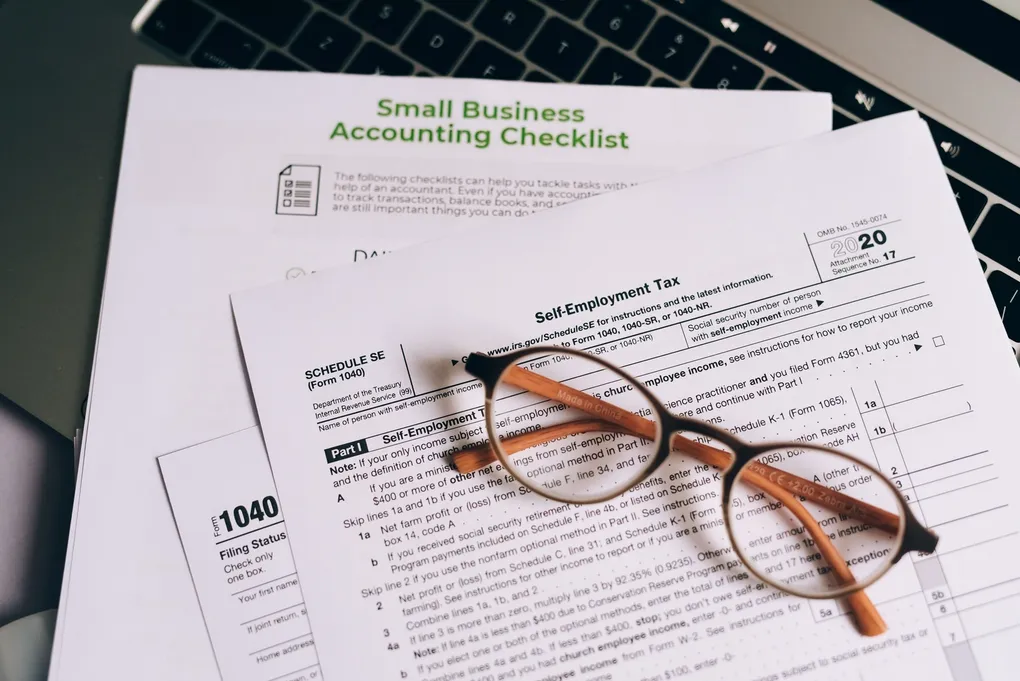
Tax returns are checked again. Tax transcript verification was reinstated for all loans. Any gap between management accounts and tax returns needs an explanation in the plan. These tests are mechanical, and they are the easiest to fail through oversight.
Which 4 numbers decide your SBA file?
Four figures determine whether the file supports the request. Get these right and most underwriter questions never get asked.
Total debt service, not the new payment. Model coverage using every business obligation plus the proposed loan. That is the calculation the underwriter will run.
The equity injection, evidenced in cash. Bank statements, gift letters, or sale proceeds must support it. Name the source and the amount, because the lender has to document both.
The working capital defense. For loans above $50,000 where half or more of proceeds fund working capital, the lender must explain why that level is "necessary and appropriate." Build the cash flow schedule before anyone asks.
History that reconciles to filings. Management accounts, bank activity, and tax transcripts are read side by side. Past figures that match all three earn credibility for the forecast.
Conclusion: write evidence, not a pitch
Stop treating the SBA plan as a pitch and start treating it as evidence for someone else's report. An SBA loan business plan checklist built from the underwriter's own list costs little to follow. Most of its items are documents you already hold: bank statements, tax returns, debt schedules, and ownership records. With the score gone and verification rules restored, lenders must show their reasoning, and they will ask you to show yours. A plan organized around what the underwriter must write largely writes that memorandum for them. If a file still comes back declined, here is what to do after an SBA loan denial.
Ready to build the file? PrometAI's SBA loan business plan builder structures your plan around the lender's checklist, so the underwriter finds every answer where they expect it.